from 0 review
3 DAYS
Daily Tour
Unlimited
English
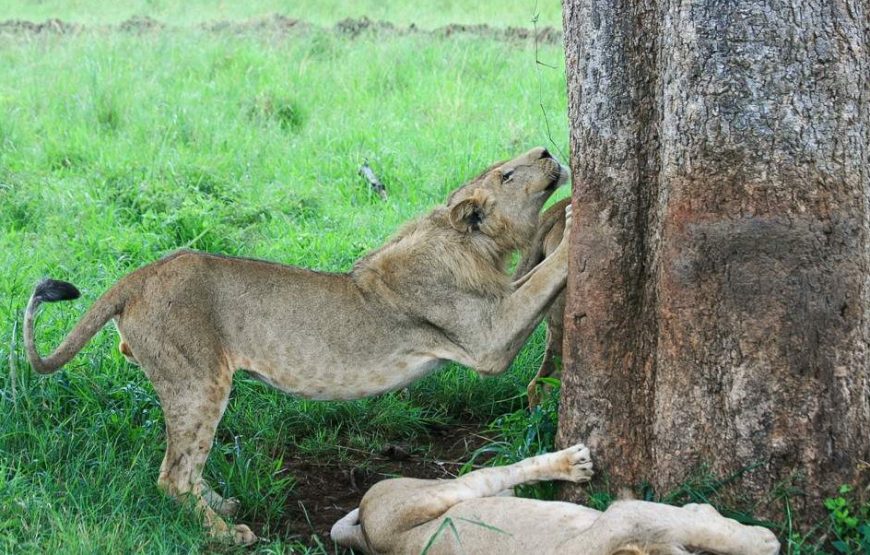
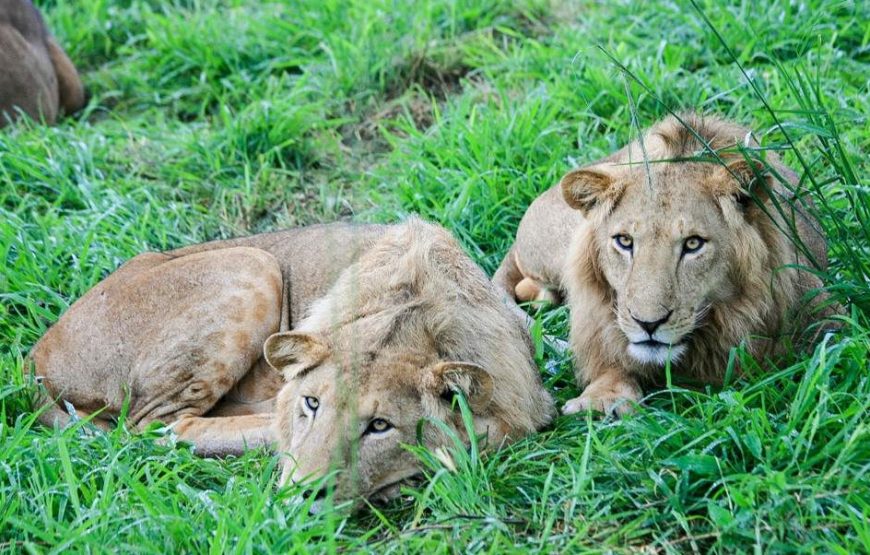
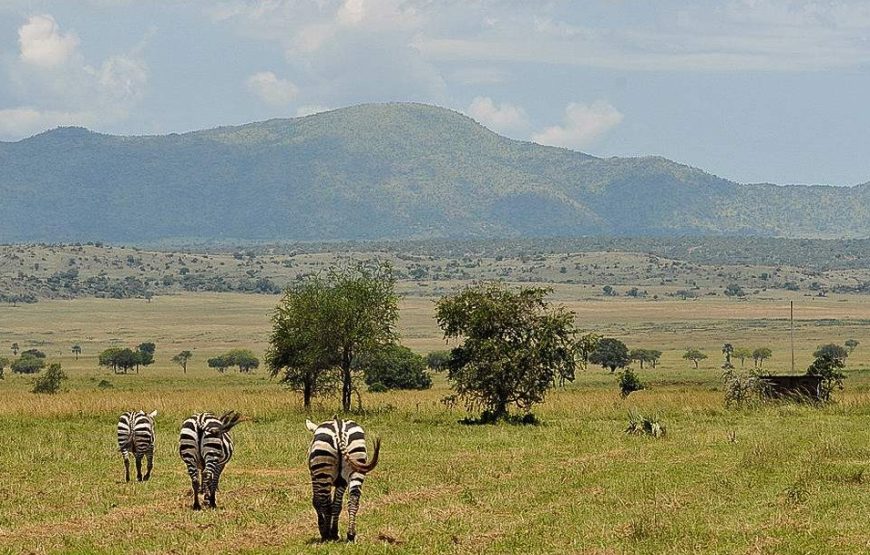
Kidepo valley national park is Uganda’s third largest national park, and only Queen Elizabeth National Park contains greater biodiversity.
Kidepo valley national park is home to 77 mammal species and the park offers great opportunities for game viewing. 20 species of predator are present, including lion, leopard, and spotted hyena.
In Uganda, black-backed jackal, bat-eared fox, aardwolf, cheetah, and caracal are endemic to Kidepo. The elephant population is over 650 (up from 200 in the mid ‘90s), buffalo are estimated to exceed 10,000, and there are over 50 Rothschild’s giraffes, an internationally important population.
Zebra graze on the plains and both greater and lesser kudu roam around the thick bush. Fortunate adventurers may even see white-eared kob, more commonly seen in South Sudan and Ethiopia.
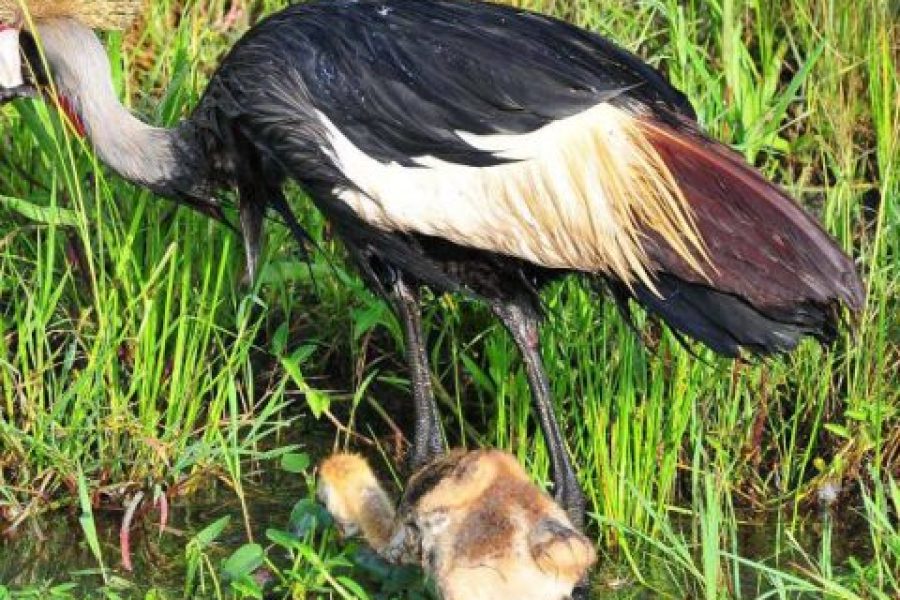
The bird list currently numbers 470 species. 60 of these are recorded in no other national park in Uganda. East Africa’s population of Clapperton’s francolin and the rose-ringed parakeet are found only in Kidepo. There are 56 species of raptor, and the park’s vultures are thriving. Kidepo is also the only place in Uganda where bird enthusiasts can encounter the majesty of the Common Ostrich.
Kidepo valley national park is accessible all year round. However, its general climate does differ from the rest of Uganda. While June used to be a dry month, it is now accepted that a long rainy season will run from April to the end of November. This is not an eight-month deluge, but you can expect some rain most days.
The dry season runs from December to March. The temperatures soar during this time, often reaching 40 degrees Celsius. The middle and end of the dry season (November to February) offer higher chances of wildlife sightings since the park’s sandy soils cannot hold water, and it becomes arid.
During these months, the reduced availability of water sources causes animals to congregate around reliable water holes, increasing the chances of sightings. This is also the best chance to see cheetah hunting on the short grass plains.
In contrast, animals are more difficult to locate during the wet season (April to August) since they leave the valleys for higher ground, where sightings are lower.
Early in the morning, have breakfast and drive to Kidepo National Park via the shortest (656 km) route, which will take you from Kampala to Soroti to Kotido via Amuria in Uganda’s far north-east bordering Kenya and Southern Sudan. The journey from Kampala to Kidepo National Park takes approximately 9 hours. You’ll get a chance to see some of the Park’s animals and birds, which are close to the camp.
After a leisurely breakfast, go on a morning game drive to Kanangorok hot springs. Where a variety of animals and birds, such as the fast-running Ostrich, can be seen roving around.Enjoy an afternoon Game Drive through the Narus Valley, where you’ll see buffalo herds, elephants, giraffes, zebras, and possibly lions, leopards, and the elusive cheetah. This will also allow you to have a clear view of a variety of birds.Stops will be made at any time to allow you to photograph the amazing wildlife and birds that you will see along the way. On the way to your camp, stop for lunch and a rest before going on a cultural tour of the Karamajong community in the evening. You will spend an enjoyable evening with the Karamojong people, learning about their way of life and beliefs. You’ll understand why their pride makes them slow to adapt to globalization by the end of the tour.
After breakfast, travel back to Kampala through beautiful scenery, stopping for lunch along the way. The journey from Kidepo National Park to Kampala takes approximately 9 hours. Breakfast and Lunch are included in the meal plan.
Rwenzori Mountains National Park, Bundibugyo, Uganda
Queen Elizabeth National Park, Kasese, Uganda
Jinja, Uganda
Kibale National Park, Kibale, Uganda


Leave a review