

Today I am going to tell you exactly what you need to know about mountain gorillas in Uganda.
In fact, this same information has been used by many of my tourists to consider doing gorilla tracking as an activity of their holiday down in Uganda.
For those who really want to learn more about mountain gorilla species then this article is for you.
Let us dive right in
Introduction On Mountain Gorilla Species
One of the most fascinating animals in the world is the mountain gorilla. The fact that these enormous beings share 97 percent of our DNA and organize themselves similarly to humans makes them one of the best ape safari.
One of the four species of gorillas found in Africa is the mountain gorilla. The Grauer’s gorilla, the Cross River gorilla, and the Western lowland gorilla are the last three (Eastern lowland gorilla).
Only Rwanda, Uganda, and the Democratic Republic of the Congo are home to mountain gorillas.
Mountain gorillas live in Bwindi Impenetrable National Park and Mgahinga National Park, where Uganda is home to most of them.
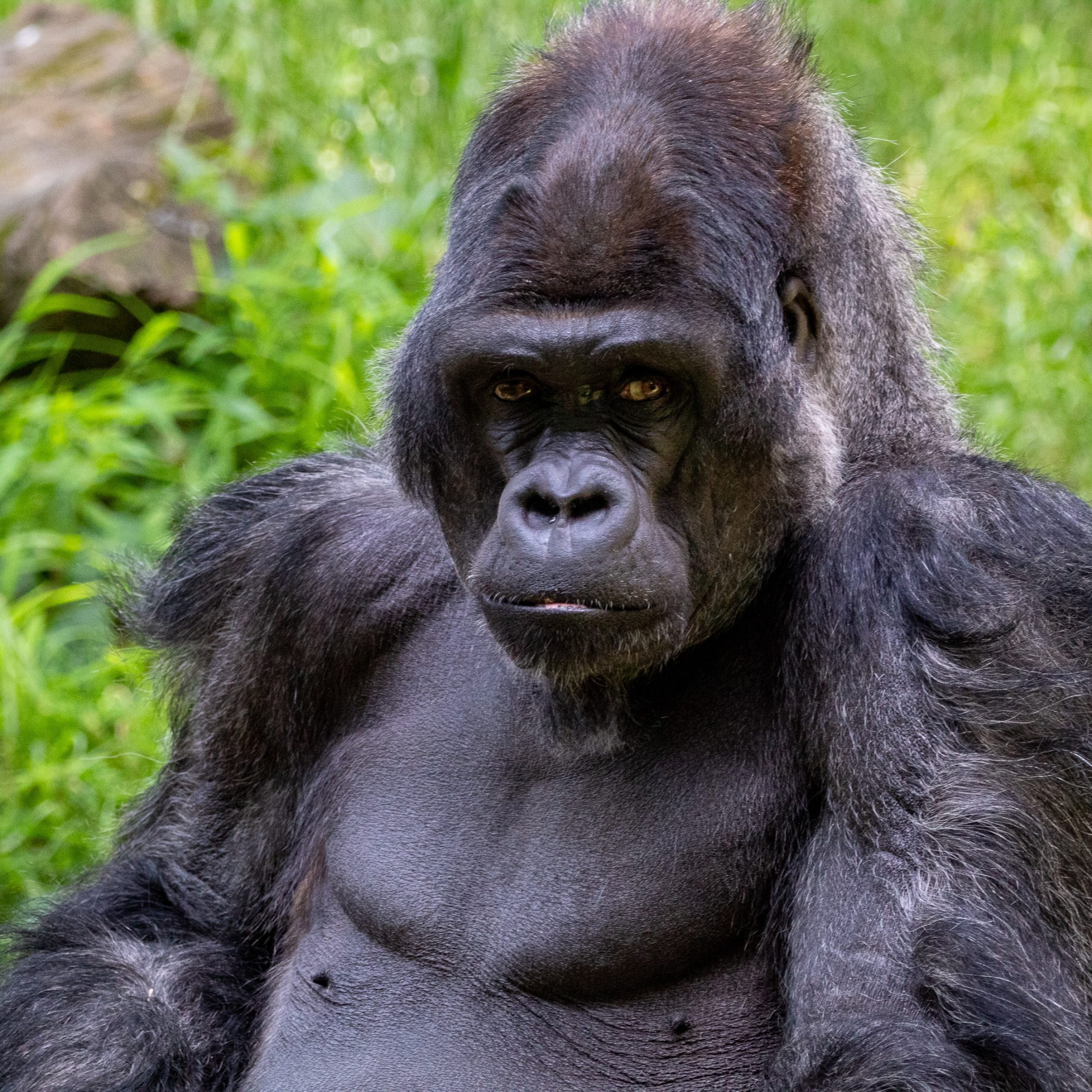
Mountain gorillas can be distinguished from the brownish western and eastern lowland gorillas by their distinctive thick black fur.
In comparison to their lowland counterparts, they also have shorter arms.
There are just 1,000 mountain gorillas left in the wild, according to the International Union for Conservation of Nature.
Facts about Mountain Gorilla Family
Let us talk about some of the most important mountain gorilla facts today.
In search of these majestic giants, mountain gorilla tracking takes you to some of Africa’s thickest forested regions.
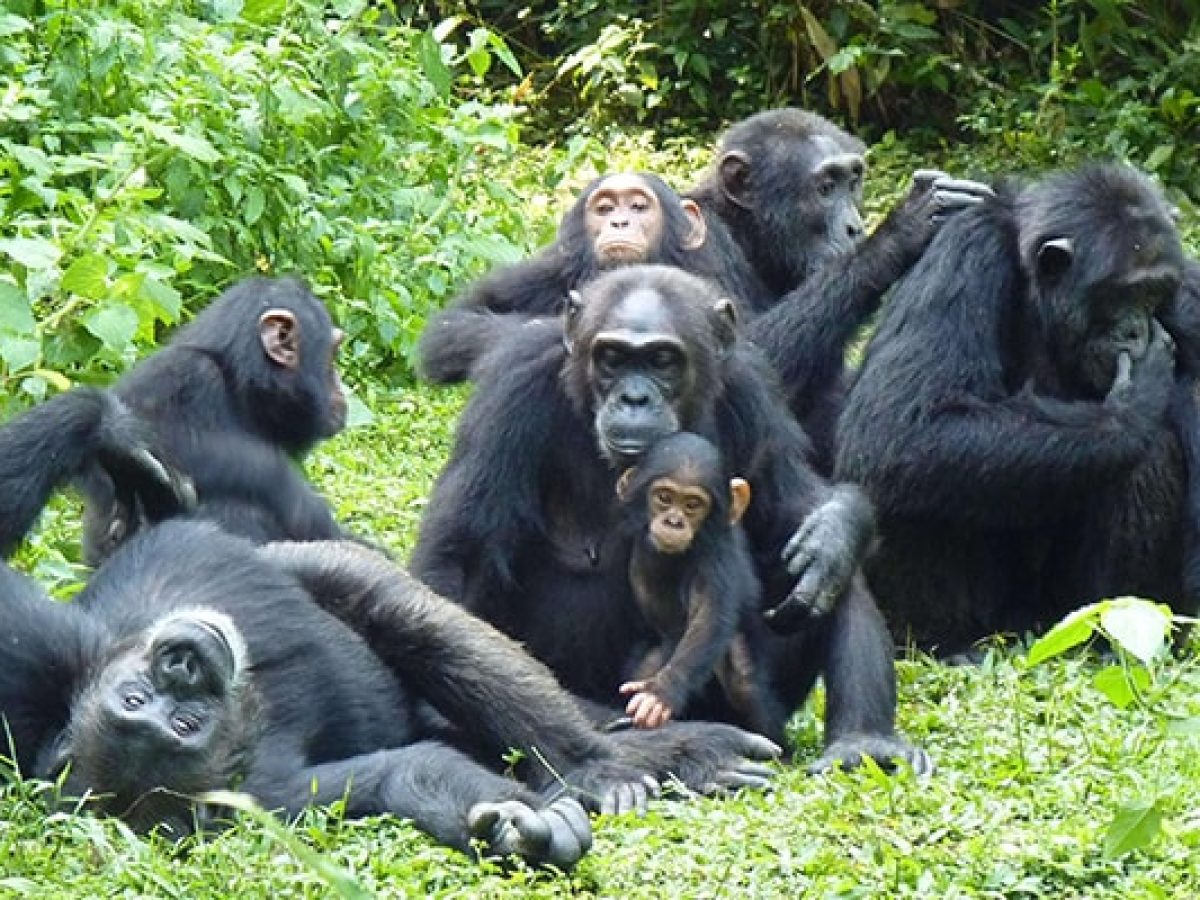
An early morning briefing for participants before the action. Following the briefing, the participants are led by Rangers and Guides in search of several gorilla groups through dense foliage, plains, streams, and valleys.
Depending on where a group is on a given day, the exercise lasts anywhere from 1 to 5 hours.
Visitors are only permitted to spend an hour with the group once they have been located.
This prevents the transmission of human pathogens and upsetting the mountain gorillas.
It’s a good idea to study the family for an hour and shoot some pictures, but avoid using flash photography as this makes them uncomfortable and they may turn aggressive.
Mountain gorilla animals are our close relatives, despite the fact that they have four legs and fur.
They have 97 percent of our DNA and are able to flush out termites among other things by using a variety of instruments.
Mountain gorillas have a distinctive identity much as people do. On its nose, each mountain gorilla has a distinctive design.
Like humans, mountain gorillas live in family groups with a silverback serving as the leader of the family and additional males, females, juveniles, and newborns.
You are reminded of our own way of life by seeing how gorilla group members interact with one another.
As a father would, the silverback manages the family and corrects bad behavior within the family.
Mountain gorillas live in social groups of 2 to 40 individuals, as has already been mentioned. Most of the male and female infants eventually leave the group to join other groups or start their own (females).
A powerful silverback, known as the leader of the mountain gorilla group, controls all group activities. He chooses when and where to go on to.
Mountain Gorilla LifeStyle
Ten times more powerful than an adult person is a silverback. Feeding time takes up their morning and evening hours.
The afternoon is for relaxing, napping, playing, and grooming. They begin constructing their nocturnal nests with twigs and leaves as dusk falls.
In the event that the group is attacked by humans, leopards, or other silverbacks, the silverback defends them to death.
However, this drastic action is Only used as a final resort after failing to scare or intimidate the intruder away.
Mountain Gorilla Reproduction
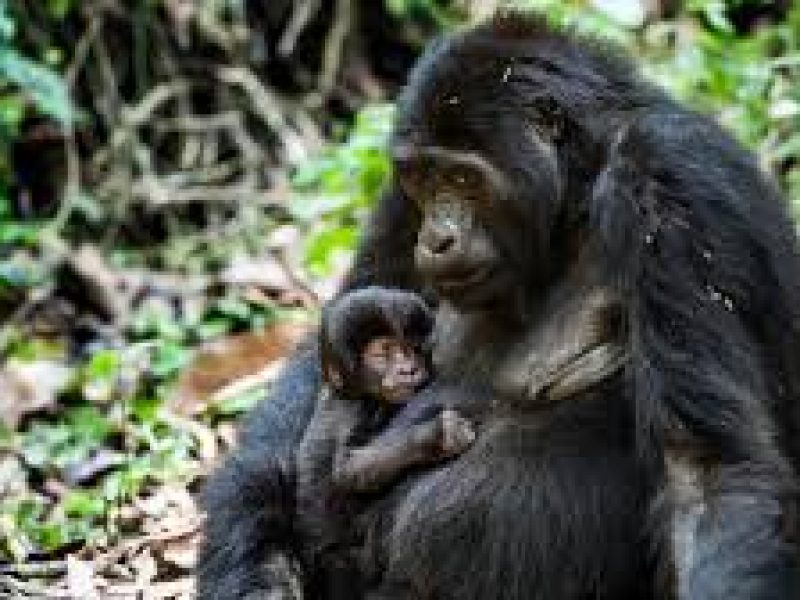
A female mountain gorilla reaches maturity at around 9 years of age.
Once they are able to give birth, a female leaves the mother’s group to find a suitor in another group or with a lone silverback.
A female is pregnant for 9 months and normally gives back to one infant at a time.
Twins are a rare occurrence that is celebrated by both tourists and conservationists alike.
An infant weighs about 1.8 kilograms at birth and begins riding on the mother’s back as a form of transportation once they reach four months of age.
Mountain Gorilla Feeding
The major components of a mountain gorilla’s food are leaves, flowers, tree bark, stems, roots, and ants.
A silverback mountain gorilla consumes up to 18 kg of plants each day to support his enormous frame.
They have a lot to eat, but unlike their lowland cousins, there is a distinct lack of variety because of the chilly climate they dwell in.
Their diet is heavy in tannin since they eat so many leaves and tree bark. These are the same components/ingredients that give our coffee and tea their bitter flavor.
Because of this, mountain gorillas’ teeth are discolored in comparison to those of lowland gorillas.
Organization Hierarchy
Each group contains a dominating silverback, but 40% of the groups also contain other silverbacks.
The silverbacks then form a hierarchy, with the dominant male serving as the supreme leader. In contrast to female gorillas, males don’t always abandon the group.
They stick with the group and continue to be subservient to the alpha male (who is frequently their father or sibling), hoping to succeed their father or brother.
A few mountain gorillas may decide to split from their families and live alone, while others will try to seduce females from larger groups in order to form their own families.
The duty of defending the group falls on each of the gorillas in a circumstance where there are multiple males present. Most of the young are bred by the dominant silverback, however, the subordinates are going to have some of their own.
Conclusion
Now I would like to hear from you.
what has intrigued you from all that you have read today?
Or, maybe there is something you know that I have not shared here today.
Feel free to leave your submission in the comment section below.
Comment (0)